


Cultural views on gambling Understanding the global tapestry of casino behavior
Historical Context of Gambling
Gambling has deep roots across various cultures, often intertwined with social rituals and entertainment. Historically, ancient civilizations such as the Romans and the Chinese engaged in forms of gambling, integrating it into their daily lives and celebrations. As societies evolved, so did their perceptions of gambling, ranging from sacred practices to condemned vices. This transformation has laid the groundwork for today’s diverse views on casino behavior, including popular interests in sweepstake casinos.

The rise of casinos in the modern era has further complicated these perspectives. Some cultures embrace gambling as a legitimate form of entertainment, while others view it with skepticism. The historical context helps us understand the varying attitudes towards casinos, as they are often viewed through the lens of national identity and cultural heritage.
Cultural Attitudes Toward Gambling
Cultural attitudes toward gambling vary significantly around the globe, influenced by religious beliefs, social norms, and economic conditions. In countries like the United States, gambling is often celebrated as a form of entertainment, with vibrant casinos attracting millions of visitors. In contrast, some nations impose strict regulations or outright bans on gambling, citing moral concerns and potential social harm.
These differing attitudes can lead to misunderstandings and myths about gambling behavior. For example, in cultures where gambling is taboo, the perception is that those who gamble are reckless or irresponsible. However, in cultures where it is accepted, gambling is often seen as a strategic endeavor, highlighting the complex relationship between culture and behavior in casino settings.
Myths and Misconceptions
Myths and misconceptions about gambling persist, influencing how different cultures approach it. One common myth is that gamblers can consistently predict outcomes through strategies or systems. This misconception is often perpetuated by media portrayals that glamorize gambling as a pathway to wealth. In reality, casino games are designed with odds that favor the house, making long-term success unlikely for most players.
Another prevalent myth is that gambling primarily affects lower socioeconomic groups. In truth, gambling behavior spans all demographics, although the reasons for gambling may differ. Understanding these misconceptions is crucial for dismantling stigma and promoting a more accurate narrative surrounding gambling behavior.
Regional Differences in Casino Behavior
Regional differences in casino behavior showcase the diverse landscape of gambling around the world. In Las Vegas, the casino experience is characterized by luxury and entertainment, drawing visitors from across the globe. Conversely, in places like Singapore, casinos are integrated into broader tourism strategies, emphasizing responsible gaming and community benefits.
Moreover, different regions have varying regulations that shape gambling behavior. For instance, in Europe, many countries have liberalized their gambling laws, leading to the proliferation of online casinos. In contrast, places with stricter regulations often see underground gambling as a significant issue. These regional differences highlight the complexity of gambling behavior within the global tapestry of casino culture.
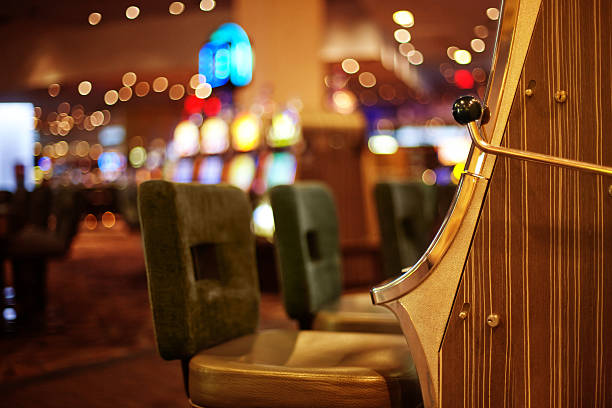
Exploring Cultural Perspectives on Gambling
Understanding cultural perspectives on gambling fosters a more nuanced view of casino behavior. By exploring the beliefs and values that shape attitudes toward gambling, individuals can gain insight into the motivations behind different gambling practices. This cultural lens can help to unravel the intricacies of gambling as a social phenomenon.
As we continue to examine the cultural views on gambling, it is essential to recognize the diverse narratives that exist. By promoting awareness and open dialogue, we can bridge cultural divides and encourage responsible gambling practices across the globe.