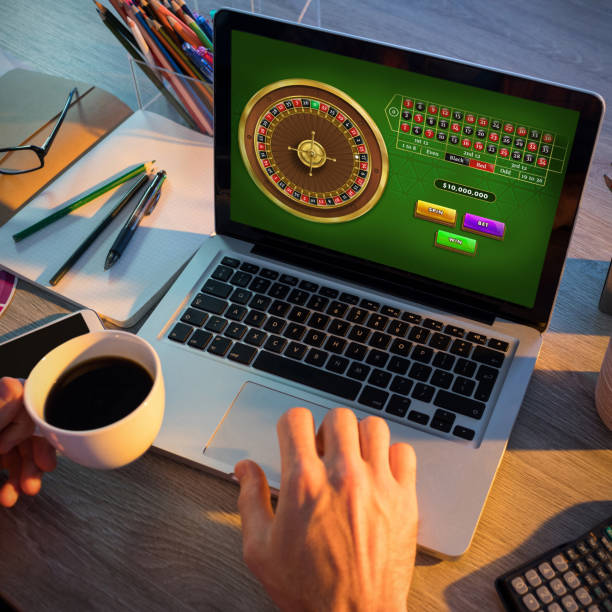


Understanding the basics of gambling A beginner's guide to the essentials
Understanding the basics of gambling A beginner's guide to the essentials
What is Gambling?
Gambling involves risking something of value, typically money, on an event with an uncertain outcome in hopes of winning additional money or prizes. This activity spans a wide range of games, including card games, sports betting, and electronic gaming machines. Understanding the nature of gambling requires recognizing the various forms it takes and the excitement and risks involved; for example, players might seek out an instant withdrawal casino to quickly access their winnings.
At its core, gambling can be seen as a form of entertainment. While many people gamble for fun, others may develop a more serious relationship with the activity, which can lead to gambling addiction. Thus, it’s crucial for beginners to approach gambling with an awareness of their motivations and the potential psychological impacts.
The Types of Gambling
Gambling can be broadly categorized into two types: chance-based games and skill-based games. Chance-based games, like slot machines and roulette, rely entirely on luck. Conversely, skill-based games, such as poker and blackjack, allow players to employ strategies to improve their odds of winning. Understanding these categories helps beginners choose the games that best suit their preferences.
Additionally, there are different environments for gambling, including casinos, online platforms, and informal settings such as home games. Each environment offers unique experiences, rules, and regulations that impact how gambling is played and perceived.
The Psychology of Gambling
The psychological aspects of gambling are significant for both enjoyment and risk management. Many people experience a thrill when placing bets, fueled by the potential for winning. This excitement can lead to behaviors that are often linked to addiction, such as chasing losses or betting more than intended.
Understanding the psychological effects of gambling can empower beginners to gamble responsibly. Recognizing emotional triggers and setting limits are essential strategies to ensure that gambling remains a fun activity rather than a source of stress or financial hardship.
Responsible Gambling Practices
Responsible gambling is key to ensuring that the activity remains enjoyable. Beginners should set clear budgets before they start playing and stick to them, regardless of wins or losses. This approach helps maintain control over finances and reduces the risk of developing harmful gambling habits.
Additionally, being mindful of the time spent gambling is crucial. Setting time limits can prevent excessive play, which may lead to negative emotional and financial consequences. Understanding when to take breaks and recognizing the signs of problem gambling can help players maintain a healthy relationship with their gaming activities.

Your Guide to Online Gambling Resources
For those venturing into online gambling, having access to reliable information and resources is essential. Various websites provide comprehensive reviews of online casinos, focusing on aspects such as game selection, payout processes, and security measures. These resources enable beginners to make informed decisions when selecting where to play.
Moreover, the focus on responsible gambling is increasingly prevalent on these platforms, offering tips and support for players. Being educated about the gaming environment will enhance the overall experience and help ensure that individuals engage in gambling safely and responsibly.